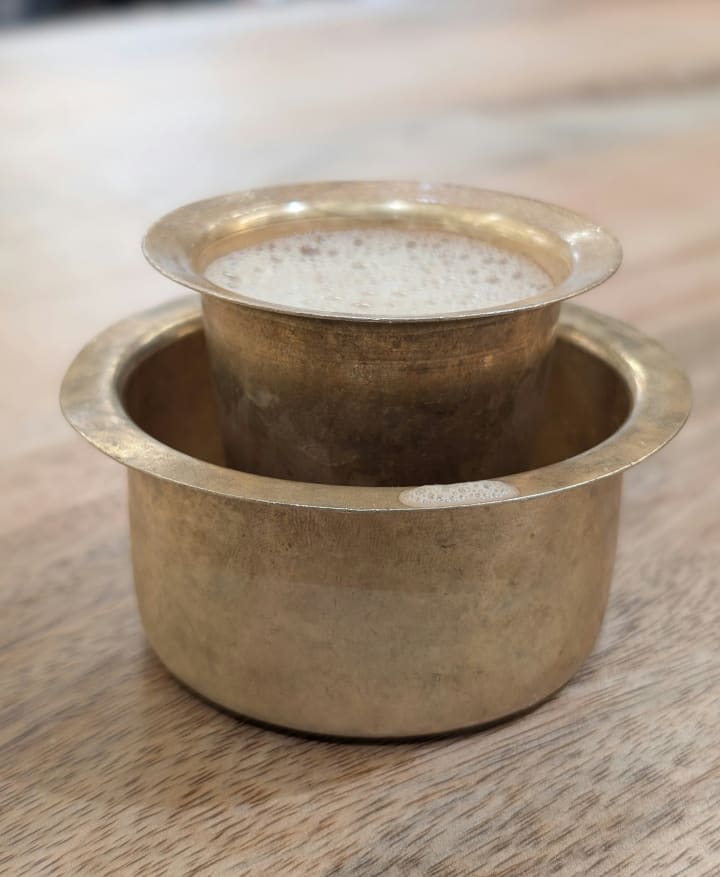
Chicory in Filter Coffee
Five Roam Coffee · Updated
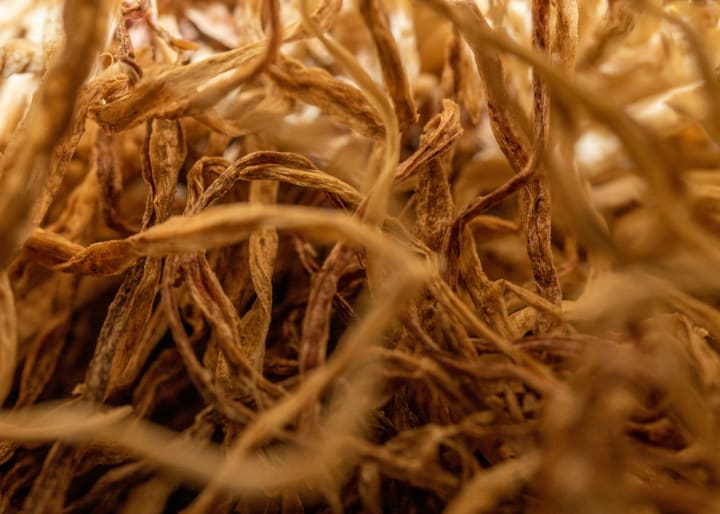
Chicory in filter coffee is roasted, ground chicory root blended into the coffee powder. It darkens the decoction, adds body and a gentle bitterness, and lets less coffee make the same strong looking cup. Whether you want it depends on how you drink your filter coffee: with plenty of milk and sugar, a chicory blend holds up well; black, or with a single estate arabica, it covers the flavour you paid for.
Chicory is often treated as a sign of cheap coffee, or as the secret of real filter coffee. It is neither. It is a taste and texture choice, and once you know what it changes in the cup, the choice becomes simple.
What is chicory and why is it in South Indian filter coffee?
Chicory is a plant with a long, pale root. Dried, roasted and ground, the root becomes a dark brown powder that brews into something that looks like coffee and tastes a little like it, roasty and slightly bitter, with a faint sweetness. It contains no caffeine, which is why roasted chicory is sold on its own as a coffee substitute.
In South India it found its way into the filter because it did two useful things at once. Coffee was the expensive part of the tin, and chicory stretched it. It also suited the way filter coffee is drunk: a concentrated decoction poured into a lot of hot milk and sugar, where body and colour matter more than delicate flavour.
It is not a hidden ingredient. In India, a coffee chicory mixture has to contain at least 51 per cent coffee by mass, and the pack has to state the percentage of coffee and of chicory on its label. That rule comes from the FSSAI food product standards, and the regulator restated it in a letter to food safety officers in November 2021 (see Sources).
What does chicory change in the cup?
- Colour. The decoction comes out darker, and the milk coffee looks richer for the same amount of powder.
- Body. The cup feels thicker and heavier on the tongue, which is why a chicory blend still tastes substantial after a lot of milk.
- Bitterness. Chicory adds a roasted, slightly woody bitterness. With sugar it reads as depth. Without sugar it can read as harsh.
- Sweetness. Roasting gives chicory a light caramel note, but it is not a sweetener, and most people who drink chicory blends still add sugar.
- Flavour of the coffee itself. This is the trade off. Chicory has a strong character of its own, and the more of it there is, the less you taste of the beans: the fruit, the chocolate, the region they were grown in.
How do you choose between pure coffee and a chicory blend?
Start with how you drink it, then look at the beans. The list below is the whole decision.
- You drink it milk heavy and sweet, the classic tumbler and davara cup: a light chicory blend works well, and a heavier blend is a fair choice if you like it very dark and strong. What changes: more body and colour per spoonful, less of the coffee's own flavour.
- You drink it milk light, with little or no sugar: pure coffee, or a very light blend at most. What changes: chicory's bitterness has nothing to hide behind here, so even a small amount shows.
- You drink the decoction black or nearly black: pure coffee. What changes: chicory makes a black decoction taste flat and woody, and it hides the coffee completely.
- You use a robusta heavy or commercial blend: chicory is a reasonable partner, because these coffees are already bold and roasty and chicory adds body without taking much away.
- You use a single estate arabica: pure coffee. What changes: you keep the flavour you chose the coffee for.
If you are unsure, buy pure coffee. You can always add chicory at home, but you cannot take it out of a blend.
Does single estate arabica need chicory at all?
No. A single estate arabica is chosen for the way it tastes: cocoa and nuts from one farm, fruit and brightness from another. That is what the estate, the process and the roast were working towards. Chicory sits on top of all of it with a heavier, more generic roast flavour, so the coffee that cost more ends up tasting much like the coffee that cost less.
Arabica also brings its own sweetness and a smoother bitterness than robusta, so it needs less help to stand up to milk. Our piece on arabica vs robusta explains that difference in more detail.
How do you brew pure coffee in a South Indian filter so it does not taste thin?
The most common complaint about pure coffee in a filter is that it tastes thinner than the chicory blend someone grew up with. That is a real difference in body, and you close most of the gap with the brew rather than the blend.
- Grind fine, close to espresso but not powdery. A fine, even grind slows the water and builds strength.
- Use the full dose. Two heaped tablespoons of coffee for about 100 ml of water just off the boil.
- Press gently to level the bed, not to pack it. Pressing hard stops the drip.
- Let it drip fully without lifting the lid. A slow drip is what builds the strength.
- Use more decoction per cup. Pure coffee has less body, so add an extra spoonful of decoction to the milk rather than more sugar.
- Choose a coffee with chocolate, nutty or caramel notes and a full body. These carry milk best.
Our South Indian filter coffee at home guide covers the full method, the quantities and the troubleshooting.
What should you buy for your filter?
If you drink your filter coffee with a lot of milk and sugar and you like the taste you grew up with, a chicory blend is a perfectly good choice. Read the label: it has to tell you the share of coffee and chicory, and that is the number to compare.
If you want to taste the coffee, buy pure coffee, and buy a single estate coffee ground for the South Indian filter. For a starting point, our filter coffee guide suggests Toasted Walnut, because its dark chocolate and walnut notes suit milk and sugar.
FAQ
Does chicory have caffeine?
No. Chicory root contains no caffeine, so a chicory blend has less caffeine than the same spoonful of pure coffee. How much less depends on the share of chicory in the blend.
Can I add chicory to coffee I already have at home?
Yes. Buy roasted chicory powder and mix it into your ground coffee before it goes into the filter. Start with a small amount, roughly a teaspoon of chicory to every four or five of coffee, taste, and adjust from there.
Why does my pure coffee decoction taste thinner than a chicory blend?
Chicory adds body and colour, so pure coffee will always feel a little lighter. A finer grind, the full dose and a little more decoction in each cup make up most of the difference.
Is filter coffee without chicory still filter coffee?
Yes. Filter coffee is the method: a fine grind, a slow drip through a two part filter, a concentrated decoction and hot milk. Chicory is one traditional way of making it, and pure coffee is another.
Want to taste what the coffee itself brings to the filter? Choose a single estate lot ground for the South Indian filter from our single origin arabica coffees.